


As 2025 draws to an end and thoughts turn to the year ahead, in this series of articles we’ve sourced the viewpoint of various leading industry figures from the likes of Pagabo, Keepmoat, CRL (Concrete Repairs Ltd), Block Architects, and Western to gauge their opinions on how the last 12 months have been for construction and to get their predictions for 2026.

Karen Carter, Director of National Delivery at Pagabo:
“2025 has seen the public sector face a year defined by procurement transformation. The Procurement Act 2023 has now come into full effect, reshaping how contracting authorities approach transparency, competitive tendering, and supplier engagement, heavily impacting procurement strategy across the built environment.
“Against a backdrop of inflationary pressures, the Autumn Budget reinforced the need for smarter, more accountable procurement to deliver infrastructure within tighter fiscal constraints. Local government reform is accelerating aggregated buying power and collaborative commissioning. This is creating opportunities for innovation but demanding robust governance and compliance with the new Act; all of which we at Pagabo embrace and provide robust procurement and digital solution to support.
“Looking ahead to 2026, the hope is for greater stability in supply chains, clearer funding streams, and procurement models that prioritise social value, net zero, and resilience. If we embed these principles now, procurement can be the lever that turns reform into real-world impact.”
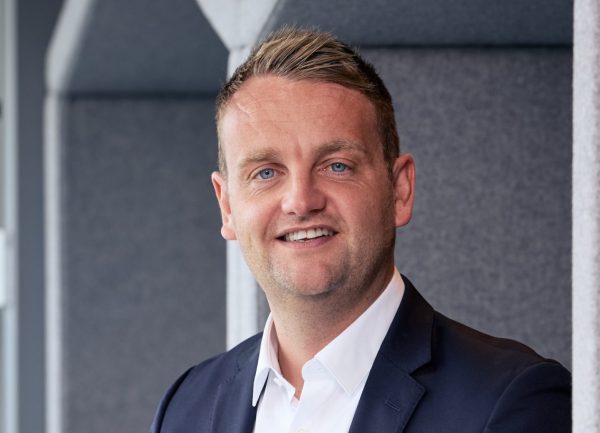
Daniel Crew, Divisional Chair at Keepmoat’s Northern Division:
As we reflect on 2025, it’s clear that placemaking plays a central role in enhancing local communities and delivering much needed homes across the UK. As expectations evolve, creating neighbourhoods that reflect local needs and provide long-term value is more important than ever.
“One of the strongest examples of this approach is our partnership with Glasgow City Council to deliver the NorthBridge scheme. As a direct response to local requirements for more housing, Keepmoat submitted a revised plan for the site, which will see Keepmoat Scotland create a new, multi-tenure community in North Glasgow offering up to 20 per cent affordable units.
“In support of the placemaking project, Glasgow City Council is investing in improved transport connections, green spaces and enhanced walking and cycling routes. The scheme will also boast footbridge access to the city centre – resulting in complete transformation of a key part of the wider Sighthill Transformational Regeneration area and a brownfield site on former industrial land.
“Keepmoat operates as a partnership housebuilder across the UK and continues to focus on designing multi-tenure developments that support long-term wellbeing, integrating accessible green spaces and investing in the infrastructure needed for neighbourhoods to thrive.
“As we look to 2026, collaboration is essential to meet shared challenges. By aligning strong partnerships with a clear commitment to placemaking, developers can create thriving, sustainable communities.”

Sanjay Patel, Managing Director, CRL (Concrete Repairs Ltd):
“It has been a momentous 2025 for CRL. This year, we proudly commemorated the 70th anniversary of our founding, an exceptional milestone that marks our evolution from a company repairing wartime bomb damage into a multi-disciplined contractor delivering projects across the highways, water, rail, marine, nuclear, utilities, and built-environment sectors.
“Our growth within the water and highways maintenance sectors has continued to strengthen. With many organisations preparing for Ofwat’s AMP8 period, demand has increased significantly for refurbishment works involving clean water reservoirs and storm water storage assets. In response, CRL has partnered with several major water companies, including Anglian Water, Affinity Water, and United Utilities, to upgrade and future-proof their storage facilities.
“Our refurbishment and repair of major UK infrastructure have also progressed through the National Highways Scheme Delivery Framework (SDF). This work aligns closely with the National Highways Road Investment Strategy 3, which seeks to reduce the carbon impact of road asset infrastructure while ensuring the sustainable management of the country’s ageing network.
“Reflecting on our commitment to sustainability, 2025 saw a thorough review of our carbon emissions, followed by the publication of our Carbon Reduction Plan. Our achievement of PAS 2080 certification, the leading standard for carbon management in buildings and infrastructure, which provides formal recognition of our dedication to reducing our CO₂ output, reinforced this effort.
“We were equally pleased to secure ISO 44001, the international standard for effective collaborative business management. This award acknowledges the strength of our social value strategy, which incorporates initiatives such as Youth Build and Building Heroes. These programmes are not only central to our commitment to supporting communities and developing future skills but will also play an increasingly vital role in meeting the social value requirements embedded within future water and highway project procurement, helping to shape a more inclusive and sustainable industry.”

Kenneth Martin, Architect at Block Architects:
“Hosting ‘The Hard Hat Talks’ podcasts in 2025 has been eye opening. 16 episodes have highlighted clear recurring themes including concerns around Skill, Training and Culture both on and off site. Filling the Sustainability and Performance Gap where design intentions aren’t being delivered on site and a Housing Emergency inflicted by blockages in Planning Regulation and lack of reform.
“Skills shortages continue to limit project delivery, pushing tender prices upward and lengthening timelines. Planning delays, especially in housing, slowed progress on much-needed developments. Rising wages and material costs squeezed margins, leaving smaller contractors particularly exposed, but the larger contractors are reporting a squeeze. While confidence improved toward the end of 2025, many firms still faced uncertainty around long-term pipelines and public-investment commitments.
“Digital tools, modern methods of construction, and data-driven decision-making played a bigger role in 2025, helping firms deliver more efficiently despite constraints.
“As the industry looks to 2026, the hope is for a year of steadier growth and clearer direction. Continued investment in housing, schools, healthcare facilities, and energy infrastructure would provide stability and unlock economic and social value. A renewed focus on training, apprenticeships, and targeted migration policies could help close the widening skills gap. Faster, more consistent planning processes would enable developers to move projects forward with confidence.
“Most importantly, there is a desire for a more collaborative environment between government, clients, and contractors – one that supports innovation, strengthens resilience, and ensures construction can play its full role in meeting the UK’s housing, net-zero, and economic-growth ambitions in 2026 and beyond.”
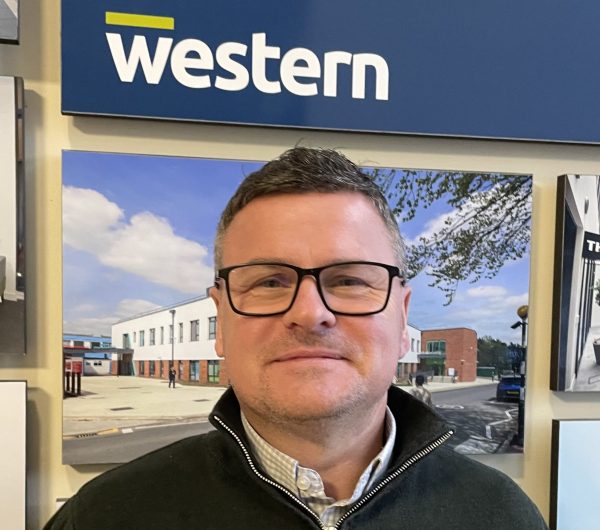
Rory McGuigan, Managing Director at Western:
“2025 has been a transformative year for Western. Our investment in a fully automated timber panel production line at our Tyrone HQ has enabled us to manufacture high-performance, energy-efficient buildings faster and more safely, strengthening our modular and hybrid solutions across the UK and Ireland. Delivering the SNEE Endoscopy Unit at Colchester Hospital demonstrated how offsite manufacturing combined with traditional construction can ensure complex healthcare environments are delivered on time and to the highest standards.
“We’ve continued to secure major public sector framework appointments, including the £1bn NHS Commercial Solutions, the NHS SBS Modular Buildings, the LHC Modular Building, ESPO, LCP education and the OCS modular buildings frameworks. These reinforce our position as a trusted partner, providing clients with certainty, cost efficiency and high-quality outcomes. Alongside healthcare, we’ve delivered projects across education, commercial and civic sectors, reflecting our commitment to smarter, greener, faster construction.
“Finishing the year on a high, we were named Manufacturer of the Year at the AIB Business Eye Awards, celebrating Northern Ireland’s leading innovators and visionaries.
“Looking to 2026, I’m optimistic. Strong demand for right-fit modular solutions, particularly in healthcare and education, combined with continued investment in digital design, automation and sustainability, positions us to meet client expectations and Net Zero targets. Labour and supply pressures remain, but innovation and collaboration will enable us to convert investment into tangible outcomes. For Western, 2026 is about leading the transformation of offsite construction, delivering buildings that perform better, are built faster and make a lasting impact on communities.”