

Year one of AMP8 has revealed a water sector moving at very different speeds, with the gap between leading and lagging utilities likely to widen before it begins to close, according to Heligan Group.
AMP8 has become one of the defining themes in UK infrastructure. Faced with ageing assets, tighter regulation and increasing public scrutiny, water companies have committed to the largest investment programme in the industry’s history, with £104bn allocated across the 2025-2030 investment cycle.
According to Heligan Group, the central challenge is whether the sector can mobilise the workforce, supply chain and delivery capacity needed to translate this unprecedented investment into completed projects.
Andrew Dickinson, Director of Corporate Finance at Heligan Group, said: “The scale of the investment provides a major opportunity to modernise the UK’s water network, create skilled employment and support sustained growth across the supply chain.
“But the traditional five-year AMP cycle creates a familiar challenge, with the opening period often treated as ‘Year 0’, as water companies finalise allocations while physical delivery appears slow. Despite this, AMP8’s early mobilisation has been encouraging.”
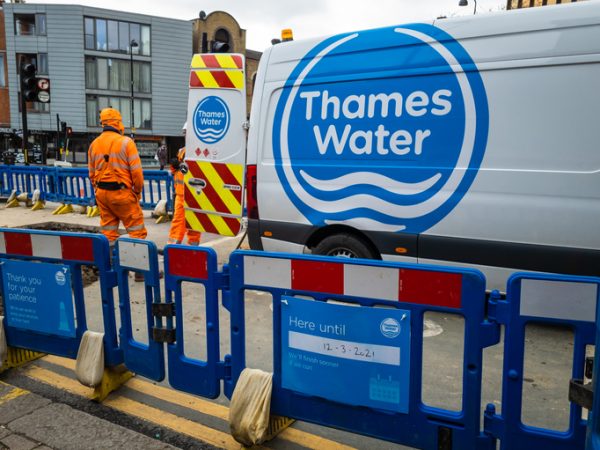
United Utilities delivered £1.5bn of capital investment during the first year and mobilised more than 100 supply-chain partners, while Anglian Water invested £1.1bn across more than 1,100 capital projects. Elsewhere, five water companies challenged Ofwat’s price determination through the Competition and Markets Authority, but the CMA’s March 2026 ruling allowed only £463m. Thames Water withdrew from the CMA process amid its wider financial restructuring, with uncertainty over its long-term funding continuing to affect confidence in delivery.
Mr Dickinson said: “The uncomfortable reality is that much of AMP8 will ultimately be funded by consumers. That creates a difficult balance. Water companies need the funding, but consumers are seeing results arrive unevenly.
“So whether AMP8 spending is delivered is a broad question, but these examples taken together show a sector diverging rather than moving uniformly. The first year suggests outcomes will vary materially by utility. The bulk of the actual work will be delivered once planning, design and procurement have been completed.”
Mr Dickinson also highlighted skilled labour shortages as a major driver of M&A activity. Estimates suggest that more than 100,000 additional workers will be needed to deliver AMP8 commitments while replacing an ageing engineering workforce.
He continued: “Experienced technical specialists are already in short supply, with water companies and contractors competing for the same engineers and specialists. This challenge extends across the wider infrastructure sector, including energy, transport and other major programmes. Businesses that already possess these specialist capabilities, particularly those with strong graduate and apprenticeship pipelines, will be well placed to secure work and command a premium.”
Concluding, Mr Dickinson said: “For acquirers, the window to secure exposure to AMP8 spending is narrowing, with the structural investment requirement expected to extend into AMP9 and beyond. Capability, track record and workforce capacity are becoming defining features of M&A across water and wider infrastructure services. The near-term returns will go to those exposed to companies already converting commitments into delivery.”